Save 30-45 minutes per period
What used to take most of a free period now takes seconds. Spend the saved time on actual teaching, doubt-clearing and correcting, not paperwork.
Turn any NCERT chapter or topic into a complete, period-ready lesson plan in seconds — with learning objectives, board-aligned activities, differentiation, assessment and homework. Built for Indian classrooms by Inforida Orbit, your AI teaching co-pilot inside the school's Nucleus platform.
Human-reviewed output · school-safe workflows
Orbit's AI Lesson Plan Generator helps Indian teachers turn a class, subject and chapter into an editable period plan. It structures objectives, teaching flow, activities, differentiation, checks for understanding and homework, while the teacher verifies syllabus alignment, timings and classroom suitability before using the draft.
An Indian teacher handling 5-6 periods a day across multiple sections rarely has time to write a proper lesson plan for every class. Most either skip it, copy last year's diary, or scramble the night before an inspection. Templates online are American or generic — not mapped to NCERT chapters, CBSE/ICSE/State board expectations, Indian grade names, or the reality of a 40-student classroom with mixed ability and limited lab time. Writing one good period plan with objectives, activities, differentiation and assessment can take 30-45 minutes. Orbit removes that grind: it drafts a complete, board-aligned, NCERT-mapped lesson plan you can teach from today, and edit in minutes.
What used to take most of a free period now takes seconds. Spend the saved time on actual teaching, doubt-clearing and correcting, not paperwork.
Every plan follows the standard CBSE/ICSE lesson-plan format with NCERT alignment, objectives and assessment — ready for your lesson diary or academic audit.
Each plan includes support for slow and first-generation learners and extension tasks for toppers, so mixed-ability sections of 40+ are handled.
Give Orbit essential context. Review its structured output. Keep final teaching decisions with educator.
Choose CBSE, ICSE or your State board, the class (Class 1-12), and the subject. Orbit instantly frames everything in the right NCERT/board context and Indian grade vocabulary.
Type the NCERT chapter name or a specific topic — for example 'Photosynthesis' or 'Linear Equations in One Variable'. Add the period length and any aids or class details you want considered.
Orbit drafts learning objectives, a timed teaching flow, activities, differentiation ideas, assessment prompts and homework from the classroom context you provide.
Tweak any section, regenerate alternatives, swap activities, or change the difficulty. Orbit adapts to your style and your students.
Export to PDF for your lesson-plan file or inspection diary, print it, or save it to reuse for the next section and next year.
CBSE · Class 7 · Science
A complete single-period (40 min) lesson plan for CBSE Class 7 Science, NCERT-aligned — exactly as Orbit generates it.
Teacher review stays essential. Orbit creates an editable first draft. Check facts, difficulty, local context and school policy before sharing it with students.
Clear output, faster iteration and final educator control—the things that matter during a real school day.
What used to take most of a free period now takes seconds. Spend the saved time on actual teaching, doubt-clearing and correcting, not paperwork.
Every plan follows the standard CBSE/ICSE lesson-plan format with NCERT alignment, objectives and assessment — ready for your lesson diary or academic audit.
Each plan includes support for slow and first-generation learners and extension tasks for toppers, so mixed-ability sections of 40+ are handled.
New teachers and seasoned teachers produce the same high standard, keeping your school's academic delivery uniform across sections and subjects.
Save plans to your library, adapt them for the next section or next academic year, and edit any section in plain language.
Open Orbit to build an editable lesson-plan draft, or fill the demo form to see how the workflow can fit your school.
Easy reads about AI in classrooms, what makes great schools tick, and the cool tools we are building.
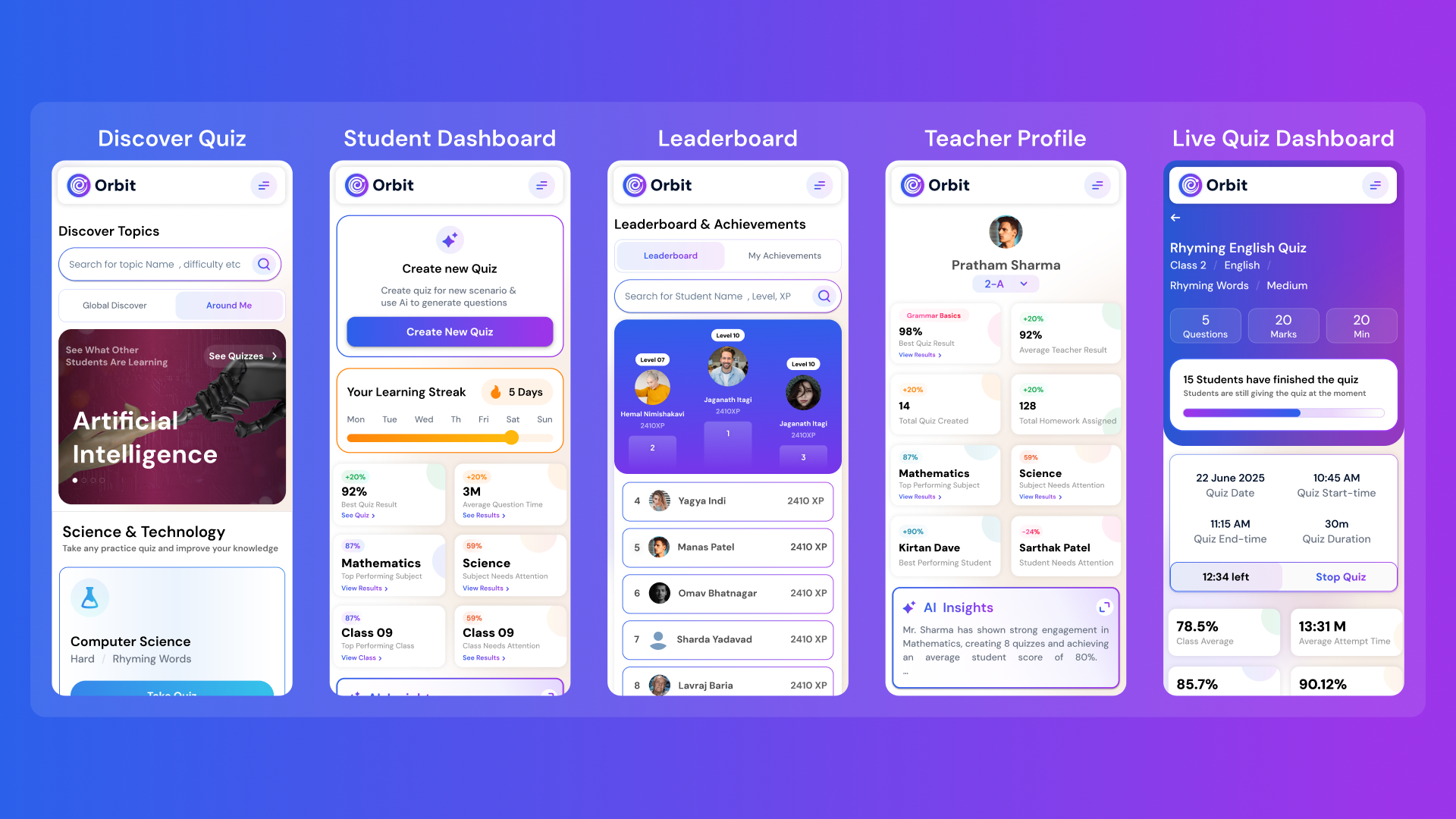
Orbit v1.4.7-beta brings a smarter and more personalized learning experience for students and teachers. With a new student dashboard, subject performance tracking, leaderboards, and real-time teacher analytics, Orbit makes learning interactive and data-driven.


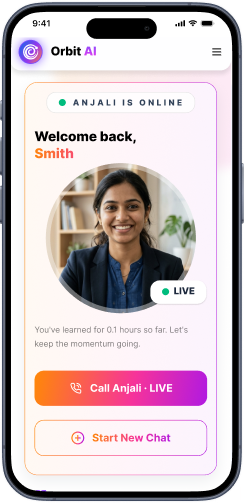
From cutting attendance time to unlocking personalized learning, smart AI assistants are giving educators back what they’ve always needed most. The time to inspire. Discover why the future of education isn’t AI vs. Teachers, but AI + Teachers.

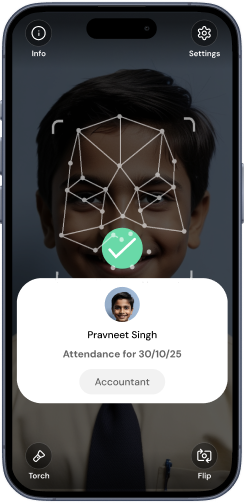
Taking attendance shouldn’t eat up your mornings. Discover how principals across India are cutting hours of wasted time and securing their campuses with Inforida’s Goood Morning — a biometric attendance system built for accuracy, safety, and peace of mind.
Everything you need to know about Inforida's platform, pricing, and implementation.
Open Orbit AI from this page to check current access for your account. Schools can also fill the demo form for a guided walkthrough and plan details; this page does not promise a separate free tier.
The workflow accepts CBSE, ICSE/CISCE and supported State-board contexts. Select the board at the start and verify the generated plan against the current syllabus, prescribed text and your school's requirements.
Yes. For CBSE and State boards that follow NCERT, Orbit maps the plan to the relevant NCERT chapter and learning outcomes, and uses the standard lesson-plan format (objectives, alignment, activities, assessment, homework) that academic coordinators and inspectors expect.
Yes. Orbit uses Indian grade names (Class 1 to Class 12), Indian subject framing, locally relevant examples, and assumes real Indian classroom conditions — large sections, mixed ability, limited lab time, and multilingual learners.
Absolutely. Every section is fully editable. You can rewrite objectives, swap activities, change the difficulty, add your own examples, or regenerate alternatives — then save or export the final version to PDF for your lesson diary.
Yes. You can set the period duration (single, double, or a custom length) and tell Orbit the lesson type — new concept, practical/lab activity, revision, or assessment prep — and the flow adjusts accordingly.
Online templates are usually generic or American, not mapped to your exact NCERT chapter, board or class. Orbit writes a fresh plan for your specific topic, with differentiation for your students and assessment questions built in — so it's actually teachable, not just a filled-in form.
Yes. Orbit runs inside Inforida's secure school platform alongside Nucleus ERP and the parent app. Plans you generate are saved to your own teacher library, and your school controls access.
Take attendance, collect fees, send messages and run the day, all from your phone. Made for school heads who are always on the move.